

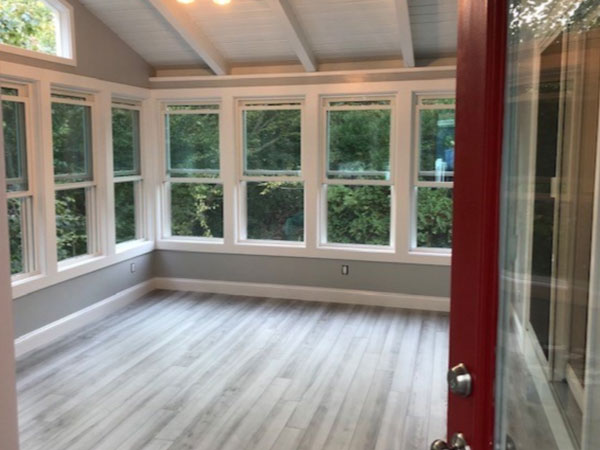
Walking into a flooring showroom can feel a little overwhelming. Hardwood, laminate, vinyl, tile, carpet — the options seem endless, and every salesperson has an opinion on what's "best." But here's the truth: there is no single best flooring. There's only the best flooring for a specific room, lifestyle, and budget. Making the right choice room by room is what separates a floor you love for decades from one you regret within a year.
Start With How the Room Is Actually Used
Before you fall in love with a sample, think about foot traffic, moisture exposure, and daily wear. A mudroom and a primary bedroom have completely different needs, even though they're both "just floors."
Living Rooms and Bedrooms
These are typically low-moisture, moderate-traffic areas, which makes them ideal for hardwood, engineered wood, or plush carpet. Hardwood adds warmth and long-term value, while carpet brings softness underfoot — a nice touch in bedrooms where comfort matters most. If you have kids or pets, engineered hardwood offers the classic look with better resistance to humidity and temperature swings than solid wood.
Kitchens and Bathrooms
Moisture resistance is non-negotiable here. Tile remains a top choice because it stands up to spills, splashes, and daily cleaning without warping. Luxury vinyl plank (LVP) has also become extremely popular in kitchens and bathrooms because it mimics the look of hardwood or stone while staying fully waterproof — a huge advantage in rooms where standing water is a matter of when, not if.
Basements
Basements bring their own challenges: concrete subfloors, potential humidity, and temperature fluctuations. Vinyl and certain engineered products are typically better suited to below-grade installation than solid hardwood, which can warp when exposed to moisture from below.
Entryways and Mudrooms
These high-traffic zones take a beating from boots, salt, and dirt. Durable tile or commercial-grade vinyl can handle the abuse while still looking polished.
Think About Long-Term Value, Not Just Today's Trend
It's tempting to choose flooring based on what's trending on social media, but trends fade while floors stay put for 10, 15, even 20+ years. Ask yourself: will this still feel timeless in a decade? Neutral tones and classic textures tend to age better than bold, of-the-moment finishes, and they also tend to appeal more broadly if you ever sell your home.
Don't Underestimate Installation Quality
Even the best flooring material will underperform if it's installed poorly. Subfloor preparation, moisture barriers, expansion gaps, and proper acclimation of materials all affect how your floor performs over time. This is where working with experienced, professional installers — rather than attempting a DIY job on a material you've never worked with — really pays off.
Bring Samples Home Before You Decide
Lighting changes everything. A tile that looks warm and inviting under showroom lighting might look completely different under your kitchen's fluorescent fixtures or your living room's natural sunlight. Taking a few samples home and living with them for a few days is one of the simplest ways to avoid buyer's remorse.
Choosing flooring room by room takes a bit more thought than picking one style for the whole house, but the payoff is a home that looks intentional and performs beautifully in every space. If you'd like expert guidance on matching the right product to the right room, learn more about who we are and how we've helped homeowners for years. And if you're ready to see and feel these options in person, find the Bigelow Flooring location nearest you and book a visit — our team is ready to help you get it right the first time.

