

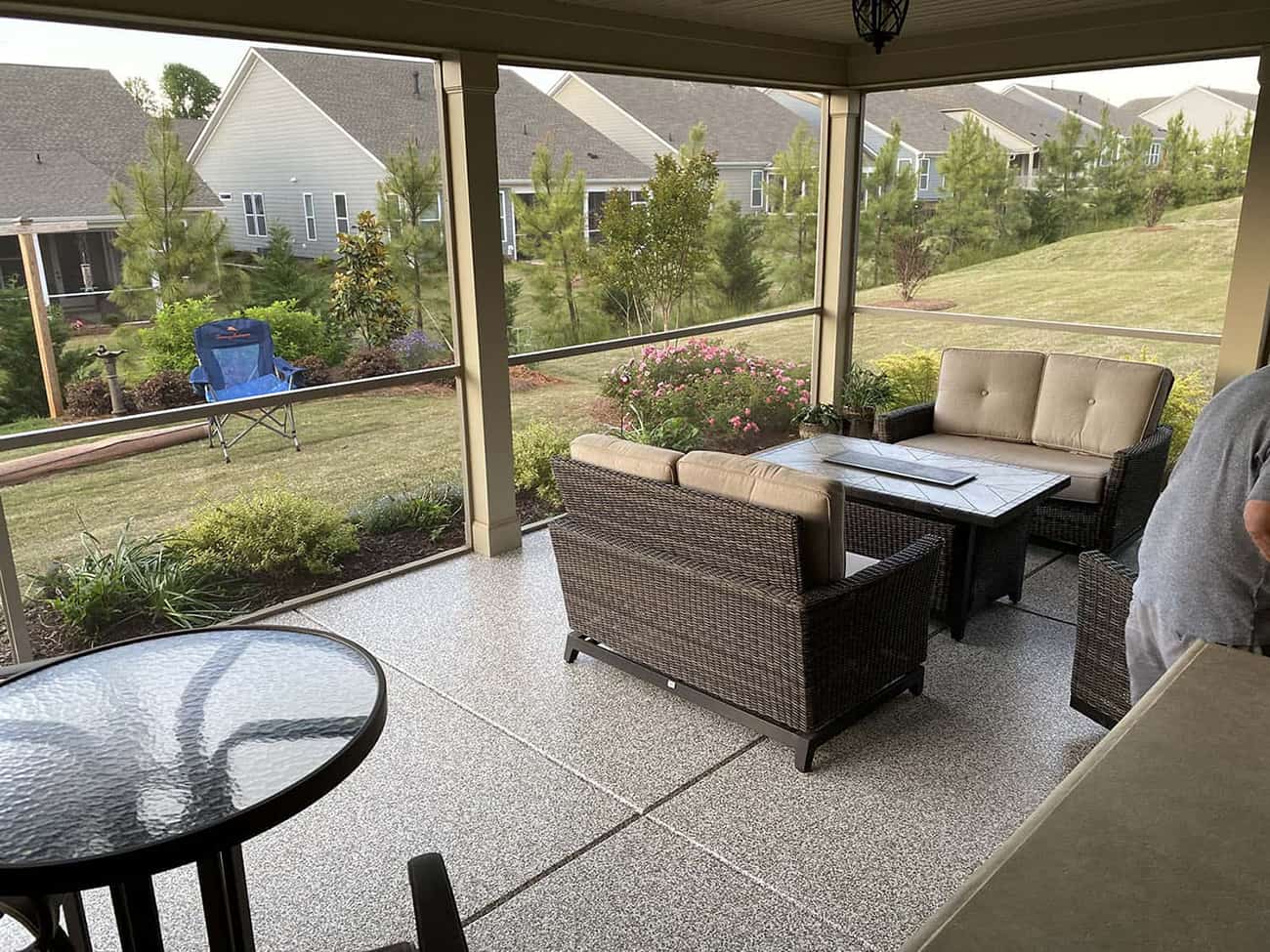
Flooring doesn't fail all at once — it wears down gradually, which makes it easy to overlook the warning signs until a small issue becomes a bigger, more expensive problem. Knowing what to look for can help you plan a flooring replacement on your own timeline, rather than being forced into an emergency fix. Here are seven signs it might be time for new floors.
1. Visible Scratches, Dents, or Gouges That Won't Buff Out
A few light scratches are normal wear and tear, but deep gouges, widespread scuffing, or damage that refinishing can't fix are signs your flooring has reached the end of its usable life — especially on hardwood that has already been sanded and refinished multiple times.
2. Warping, Buckling, or Cupping
If you notice boards that are lifting at the edges, curling, or forming a wave-like texture, moisture has likely gotten underneath your flooring. This is common after leaks, flooding, or long-term humidity issues, and it usually means the affected planks — or the whole floor — need to be replaced rather than repaired.
3. Persistent Stains or Discoloration
Some stains, especially on carpet or light-coloured flooring, become permanent no matter how much you clean them. If certain areas of your floor look noticeably different in colour from the rest, particularly near windows (sun fading) or high-traffic zones, it's often more cost-effective to replace than to keep treating the problem.
4. Squeaky, Uneven, or Soft Spots
Floors that creak loudly when walked on, feel spongy underfoot, or seem uneven can indicate subfloor damage, often from moisture or structural settling. This is more than a cosmetic issue — it's worth having assessed before it becomes a safety concern.
5. Outdated Style That's Hurting Your Home's Value
Sometimes flooring is perfectly functional but seriously dated — think heavily patterned carpet from decades past or discontinued tile styles. If you're planning to sell, outdated flooring can be one of the first things buyers notice, and updating it is often one of the more impactful renovations for return on investment.
6. Constant Allergy or Odour Issues
Older carpet, in particular, can trap dust, allergens, pet dander, and odours deep in its fibres, even with regular cleaning. If allergy symptoms seem to flare up at home or odours persist despite thorough cleaning, your flooring may be past its prime.
7. It's Simply Old
Different materials have different lifespans — carpet typically lasts 8 to 10 years, laminate around 15 to 25 years, and quality hardwood can last well over 30 years with proper care. If your flooring is approaching or exceeding its expected lifespan, proactively replacing it can prevent bigger issues (and bigger bills) down the road.
Replacing your flooring is a big decision, but spotting these signs early gives you the power to plan ahead rather than react to an emergency. If any of this sounds familiar, our team can walk you through your options and help you find a product built to last — learn more about our family-owned business and our commitment to quality. When you're ready for a professional assessment, locate the Bigelow Flooring showroom closest to you and book a visit today.

